ΕΡΓΑΣΤΗΡΙΟ 5 · WORKSHOP 5
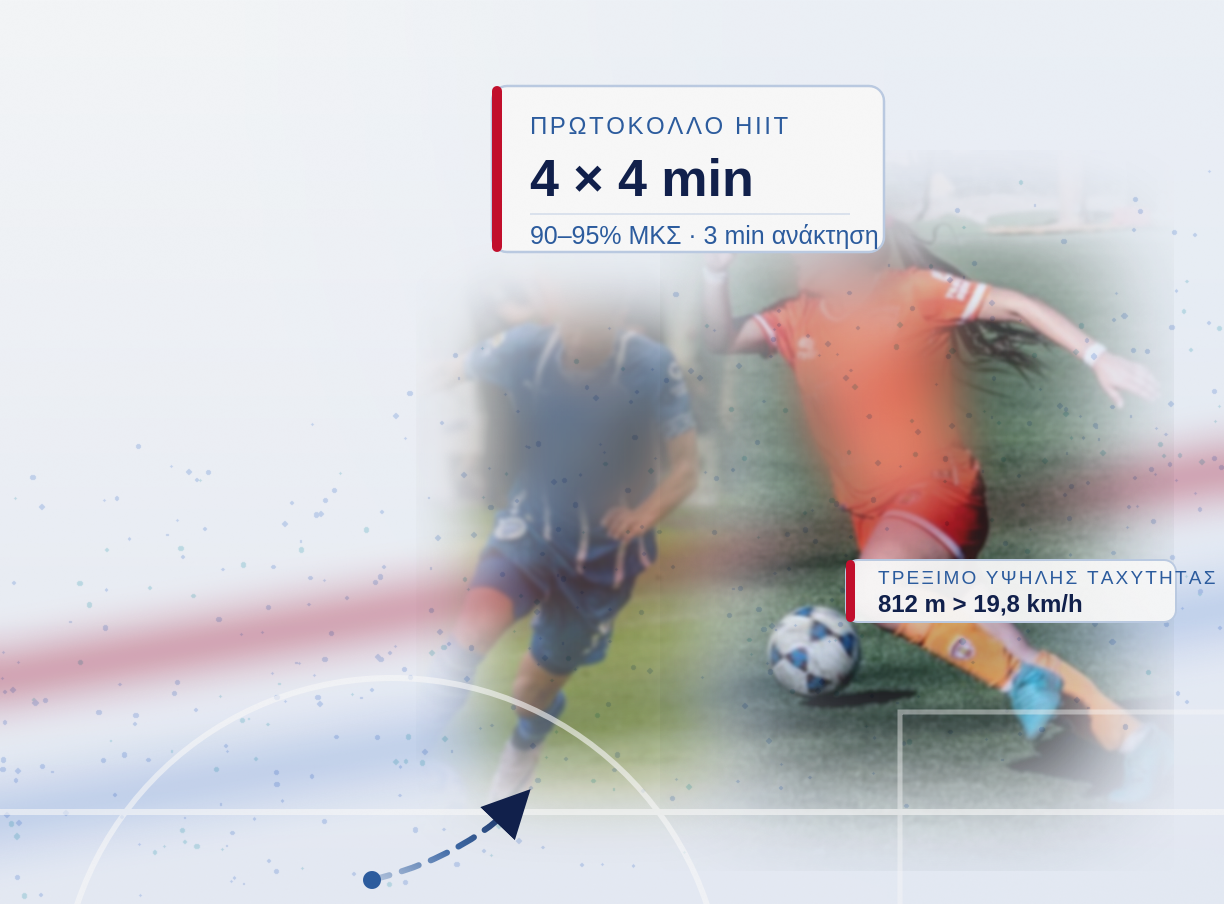
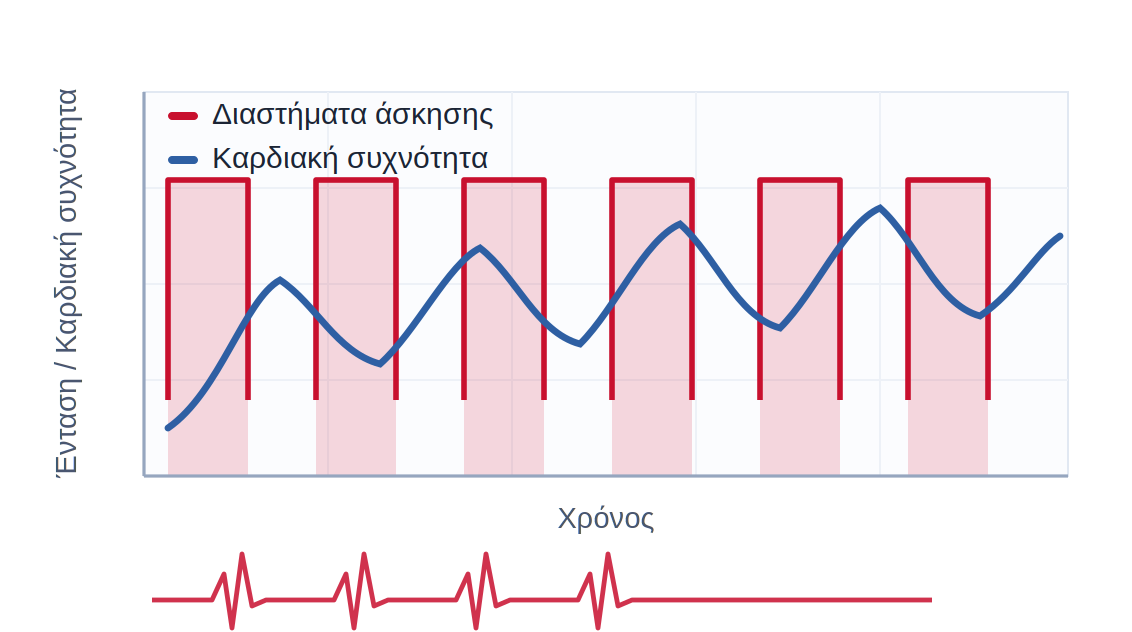
Διαλειμματική Προπόνηση Υψηλής Έντασης: Από την Κατανόηση στην Εφαρμογή στο Ποδόσφαιρο Υψηλών Επιδόσεων
High-Intensity Interval Training: From Understanding to Application in High-Performance Football
Στο πλαίσιο του «Απογεύματος Επιστήμης και Πράξης στο Ποδόσφαιρο» · με μετάφραση στα ελληνικά
Part of the “Afternoon of Science and Practice in Football” · with interpretation into Greek
Part of the “Afternoon of Science and Practice in Football” · with interpretation into Greek
Το εφαρμοσμένο αυτό εργαστήριο εξετάζει τις επιστημονικές αρχές που διέπουν τον σχεδιασμό, την παρακολούθηση και την εφαρμογή της διαλειμματικής προπόνησης υψηλής έντασης (HIIT) στο ποδόσφαιρο υψηλού επιπέδου. Θα αναλυθούν διαφορετικές μορφές HIIT, όπως τα πρωτόκολλα τρεξίματος και τα παιχνίδια σε μικρούς χώρους, σε συνάρτηση με τις φυσιολογικές απαιτήσεις, τους προπονητικούς στόχους και την πρακτική εφαρμογή τους σε περιβάλλοντα υψηλής απόδοσης.
This applied workshop examines the scientific principles underpinning the design, monitoring, and implementation of high-intensity interval training (HIIT) in high-level football. Different HIIT formats, including running-based protocols and small-sided games, will be analysed in relation to their physiological demands, training objectives, and practical implementation in high-performance environments.
Ιδιαίτερη έμφαση θα δοθεί στην αξιολόγηση του εσωτερικού και εξωτερικού προπονητικού φορτίου, στην παρακολούθηση των ατομικών αποκρίσεων των ποδοσφαιριστών και στην ένταξη της HIIT στον εβδομαδιαίο μικρόκυκλο και στις επιμέρους φάσεις της αγωνιστικής περιόδου. Θα εξεταστεί επίσης ο τρόπος με τον οποίο η διάρκεια και η ένταση των διαστημάτων έργου και αποκατάστασης επηρεάζουν τις οξείες μεταβολικές, καρδιοαναπνευστικές και νευρομυϊκές αποκρίσεις, καθώς και την επακόλουθη αποκατάσταση και προσαρμογή.
Particular emphasis will be placed on the assessment of internal and external training load, the monitoring of individual player responses, and the integration of HIIT within the weekly microcycle and across different phases of the competitive season. The workshop will also examine how the duration and intensity of work and recovery intervals influence acute metabolic, cardiorespiratory, and neuromuscular responses, as well as subsequent recovery and adaptation.
ΣΚΟΠΟΣ · AIM
Θα παρουσιαστεί ένα επιστημονικά τεκμηριωμένο πλαίσιο για την επιλογή, τη συνταγογράφηση και τη χρονική τοποθέτηση των συνεδριών HIIT, με βάση τα ατομικά χαρακτηριστικά των ποδοσφαιριστών, τις αγωνιστικές απαιτήσεις, την πυκνότητα των αγώνων, την κατάσταση αποκατάστασης και τη βελτιστοποίηση της αγωνιστικής ετοιμότητας και απόδοσης.
An evidence-based framework will be presented for the selection, prescription, and scheduling of HIIT sessions according to individual player characteristics, match demands, fixture congestion, recovery status, and the optimisation of match readiness and performance.
ΗΜΕΡΟΜΗΝΙΑ · DATE
Παρασκευή 16 Οκτωβρίου 2026
Friday, 16 October 2026
Friday, 16 October 2026
ΩΡΑ · TIME
14:45–16:30
ΧΩΡΟΣ · VENUE
Σχολή Επιστήμης Φυσικής Αγωγής και Αθλητισμού ΕΚΠΑ, Πανεπιστημιούπολη Δάφνης
School of Physical Education and Sport Science, National and Kapodistrian University of Athens, Dafni Campus
School of Physical Education and Sport Science, National and Kapodistrian University of Athens, Dafni Campus
ΔΟΜΗ · STRUCTURE
Μέρος Α΄ 14:45–15:30: Συνεδρία Εφαρμοσμένων Περιπτώσεων, Γ. Μπογδάνης και προσκεκλημένοι γυμναστές ομάδων Superleague
Μέρος Β΄ 15:30–16:30: Dr P. Balsom
Part A 14:45–15:30: Applied Case Session, G. Bogdanis and invited fitness coaches from Super League clubs
Part B 15:30–16:30: Dr P. Balsom
Μέρος Β΄ 15:30–16:30: Dr P. Balsom
Part A 14:45–15:30: Applied Case Session, G. Bogdanis and invited fitness coaches from Super League clubs
Part B 15:30–16:30: Dr P. Balsom
ΕΙΣΗΓΗΤΕΣ · SPEAKERS
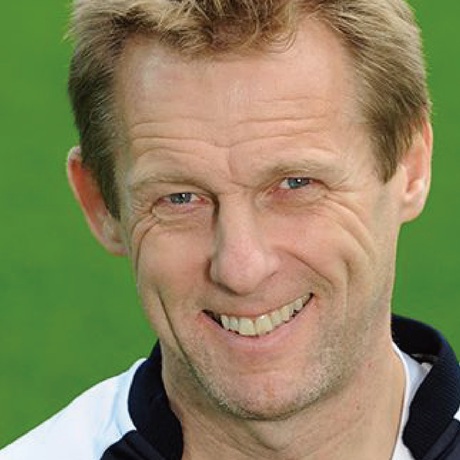
Dr Paul D. Balsom
Επικεφαλής της Συμβουλευτικής Ομάδας Ποδοσφαιρικής Φυσικής Κατάστασης της UEFA· Σύμβουλος Απόδοσης της Tigres UANL — εισηγητής του μέρους Β΄
Head of the UEFA Football Fitness Advisory Group · Performance Consultant, Tigres UANL — speaker for Part B
Head of the UEFA Football Fitness Advisory Group · Performance Consultant, Tigres UANL — speaker for Part B
Ένας από τους πλέον έμπειρους επαγγελματίες στον χώρο της υψηλής απόδοσης στο διεθνές ποδόσφαιρο και κάτοχος διπλώματος UEFA Pro. Αναγορεύθηκε διδάκτορας του Karolinska Institute της Στοκχόλμης το 1996, με αντικείμενο τη φυσιολογία της διαλειμματικής άσκησης υψηλής έντασης· οι πρώιμες εργασίες του για τα επαναλαμβανόμενα σπριντ, τη διάρκεια αποκατάστασης και τη χορήγηση κρεατίνης εξακολουθούν να αναφέρονται στη σύγχρονη βιβλιογραφία. Για 26 χρόνια διετέλεσε Υπεύθυνος Απόδοσης της εθνικής ομάδας ανδρών της Σουηδίας, σε περισσότερους από 340 αγώνες, έξι UEFA EURO και τρία FIFA World Cup. Το 2008 εντάχθηκε στη Leicester City, όπου ήταν Επικεφαλής Αθλητικής Επιστήμης και Ανάλυσης Απόδοσης κατά την κατάκτηση της Premier League το 2015/16 και στη συνέχεια Επικεφαλής Καινοτομίας στον Τομέα της Απόδοσης, ενώ εργάστηκε και στην OH Leuven. Από το 2021 είναι επιστημονικός σύμβουλος της Tigres UANL.
One of the most experienced high-performance practitioners in international football and a UEFA Pro Licence holder. He completed his PhD at Karolinska Institute in Stockholm in 1996, focusing on the physiology of high-intensity intermittent exercise; his early work on repeated-sprint exercise, recovery duration, and creatine supplementation continues to be cited in the contemporary literature. For 26 years, he served as Performance Manager of the Sweden men's national team, working across more than 340 matches, six UEFA European Championships, and three FIFA World Cups. In 2008, he joined Leicester City, where he was Head of Sports Science and Performance Analysis during the club's 2015/16 Premier League title-winning season and later Head of Performance Innovation; he also worked at OH Leuven. Since 2021, he has served as a scientific consultant to Tigres UANL.
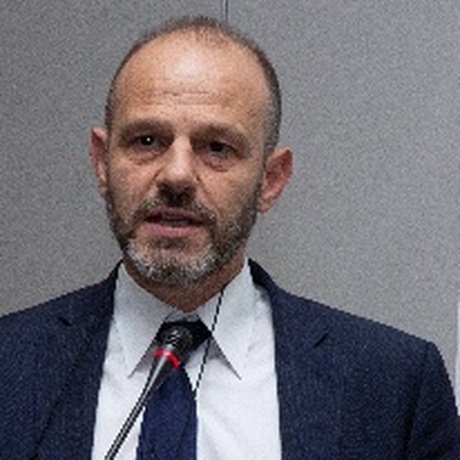
Γρηγόρης Μπογδάνης, PhD, FACSM, FECSS
Gregory C. Bogdanis, PhD, FACSM, FECSS
Καθηγητής Προπονητικής, ΣΕΦΑΑ ΕΚΠΑ· Γενικός Γραμματέας της ΕΕΒΦΑ — εισηγητής του μέρους Α΄ και συντονιστής του μέρους Β΄
Professor of Sport and Exercise Training, School of Physical Education and Sport Science, National and Kapodistrian University of Athens · Secretary General of EEVFA — speaker for Part A and moderator of Part B
Professor of Sport and Exercise Training, School of Physical Education and Sport Science, National and Kapodistrian University of Athens · Secretary General of EEVFA — speaker for Part A and moderator of Part B
Ιδρυτικό μέλος και Γενικός Γραμματέας της Ελληνικής Εταιρείας Βιοχημείας και Φυσιολογίας της Άσκησης και Fellow του American College of Sports Medicine και του European College of Sport Science. Έχει δημοσιεύσει περισσότερες από 250 επιστημονικές εργασίες σε διεθνή περιοδικά υψηλού συντελεστή απήχησης, 16 βιβλία και κεφάλαια συγγραμμάτων και περισσότερες από 470 ανακοινώσεις σε ελληνικά και διεθνή συνέδρια, σε θέματα Προπονητικής, εφαρμοσμένης Εργοφυσιολογίας και Βιοχημείας της άσκησης, με έμφαση στον μυϊκό μεταβολισμό, στις νευρομυϊκές προσαρμογές στην προπόνηση δύναμης και ισχύος και στις μεταβολικές προσαρμογές στη διαλειμματική άσκηση υψηλής έντασης. Το έργο του έχει λάβει διεθνή αναγνώριση (>10.700 αναφορές, h-index 56) και τα τελευταία έξι έτη κατατάσσεται στο κορυφαίο 2% των επιστημόνων παγκοσμίως στο πεδίο της Αθλητικής Επιστήμης. Τα τελευταία 20 χρόνια παρέχει επιστημονική υποστήριξη σε ομάδες της Ελληνικής Superleague, ενώ ηγείται ερευνητικής ομάδας που αναπτύσσει, σε συνεργασία με το Εργαστήριο Βιοϊατρικής Μηχανικής του ΕΜΠ, εργαλείο τεχνητής νοημοσύνης για την πρόβλεψη και πρόληψη μυϊκών τραυματισμών σε ποδοσφαιριστές υψηλού επιπέδου.
A founding member and Secretary General of the Hellenic Society of Biochemistry and Physiology of Exercise, and a Fellow of both the American College of Sports Medicine and the European College of Sport Science. He has published more than 250 scientific papers in high-impact international journals, 16 books and book chapters, and more than 470 presentations at Greek and international scientific conferences in the fields of sport training, applied exercise physiology, and exercise biochemistry. His research has placed particular emphasis on muscle metabolism, neuromuscular adaptations to strength and power training, and metabolic adaptations to high-intensity interval exercise. His work has received international recognition (>10,700 citations; h-index 56), and for the past six years he has been ranked among the world's top 2% of scientists in the field of Sport Sciences. Over the past 20 years, he has provided scientific support to clubs competing in the Greek Super League. He also leads a research group that, in collaboration with the Biomedical Engineering Laboratory of the National Technical University of Athens, is developing an artificial-intelligence tool for the prediction and prevention of muscle injuries in high-level football players.
Ανοικτό στους συνέδρους και στους κατόχους του ημερήσιου εισιτηρίου των 20 € — με ζωντανή μετάδοση
Open to congress participants and holders of the €20 day ticket — with live streaming
Open to congress participants and holders of the €20 day ticket — with live streaming
16–18 Οκτωβρίου 2026 · Αθήνα · 16–18 October 2026 · Athens · www.eevfa.gr
